SEXISM NOBEL PRIZE !!! The International Society for Krishna Consciousness (ISKCON) and its publishing arm, The Bhaktivedant Book Trust (BBT) are awarded the NOBEL PRIZE in SEXISM and MISOGYNY! (improved version 6)
March 21st, 2025
Its official!
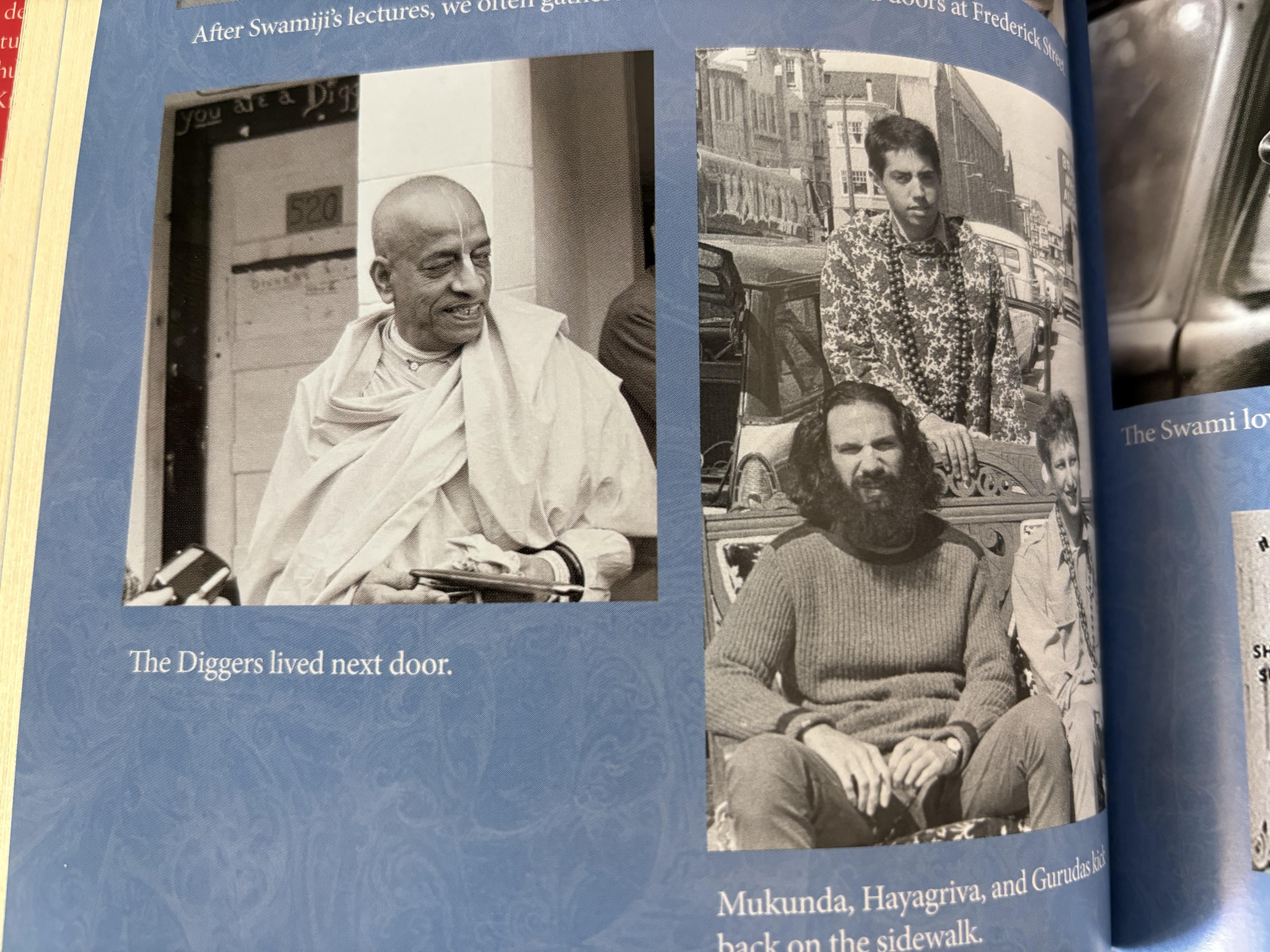
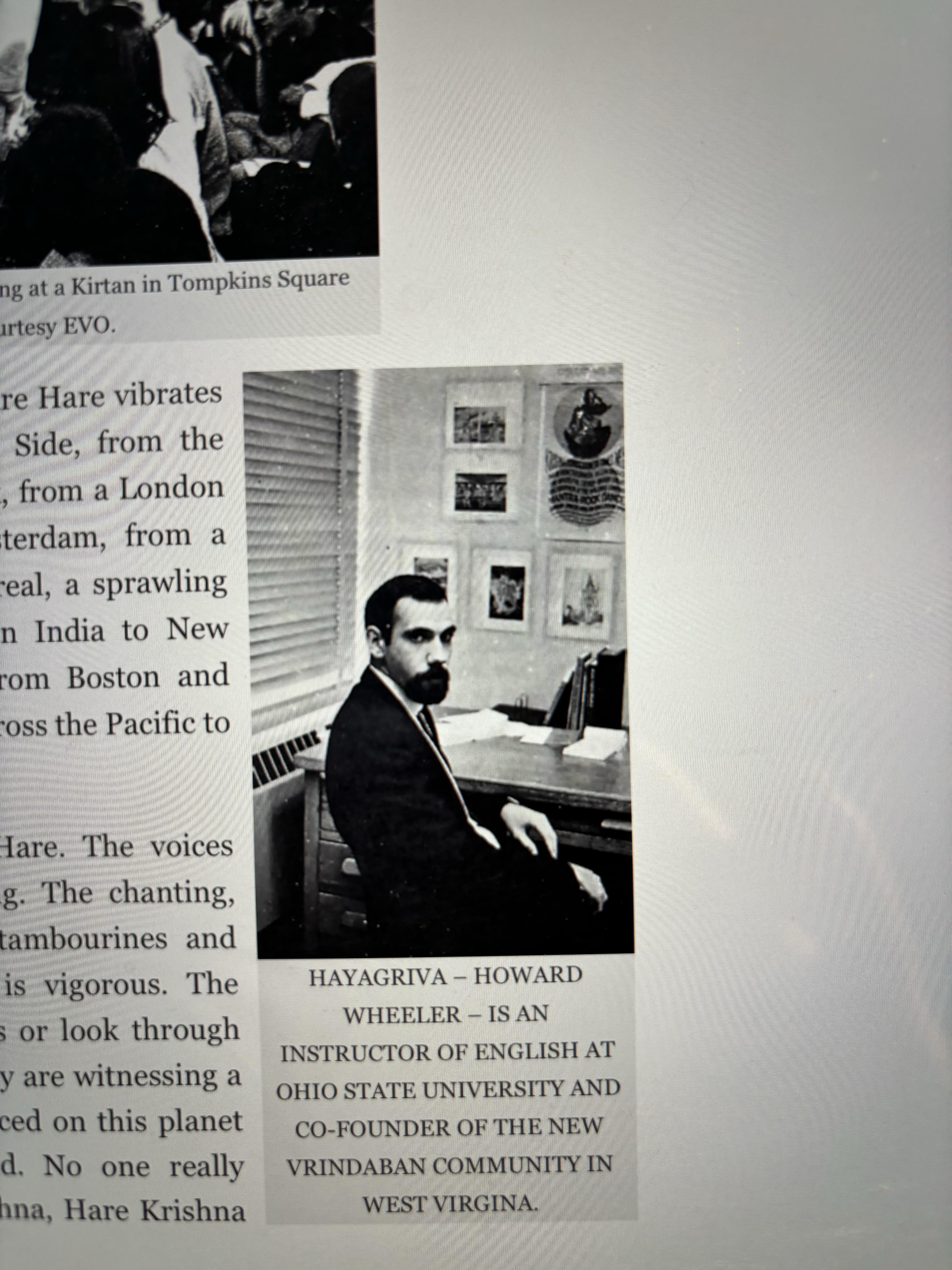
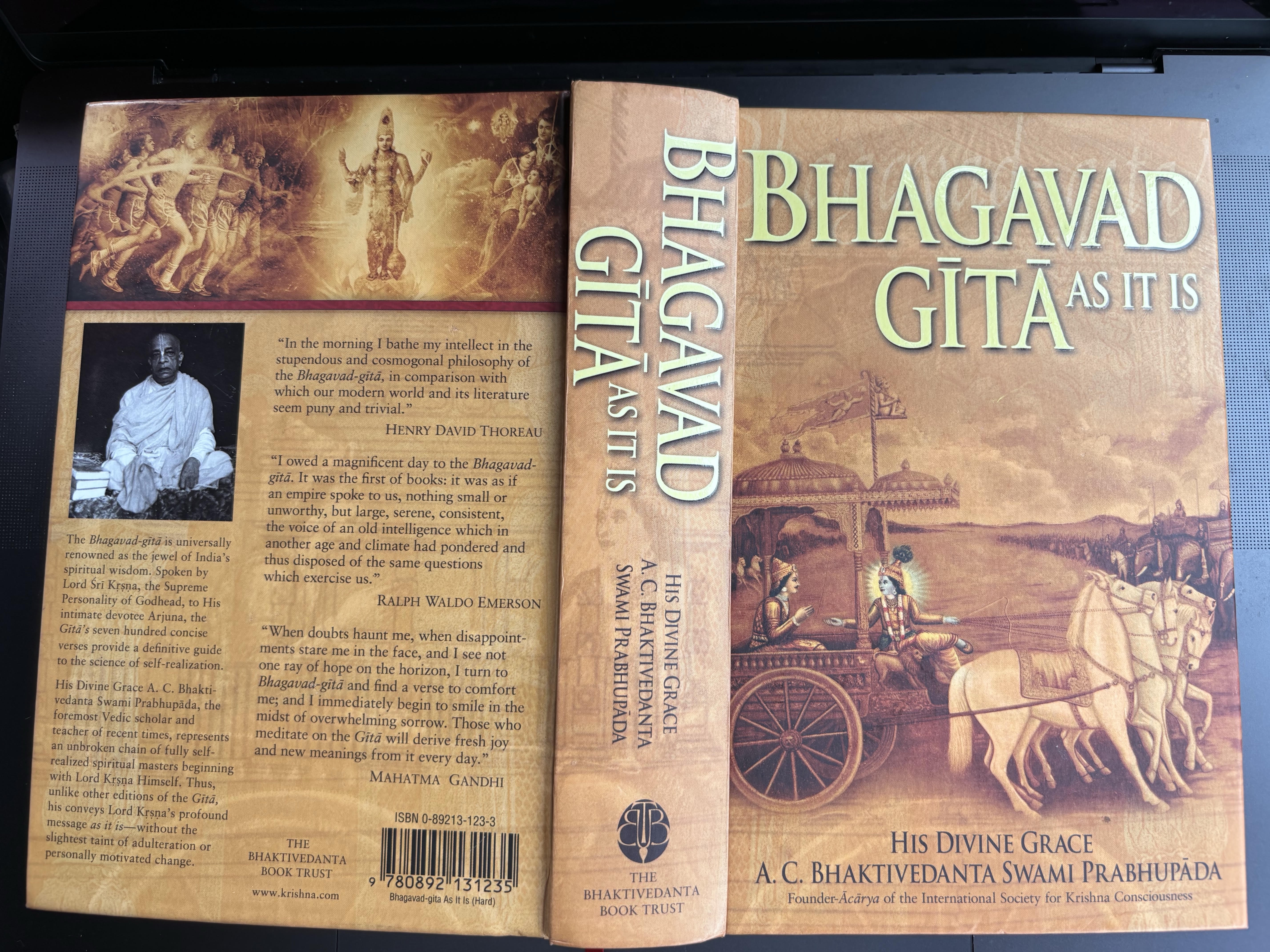
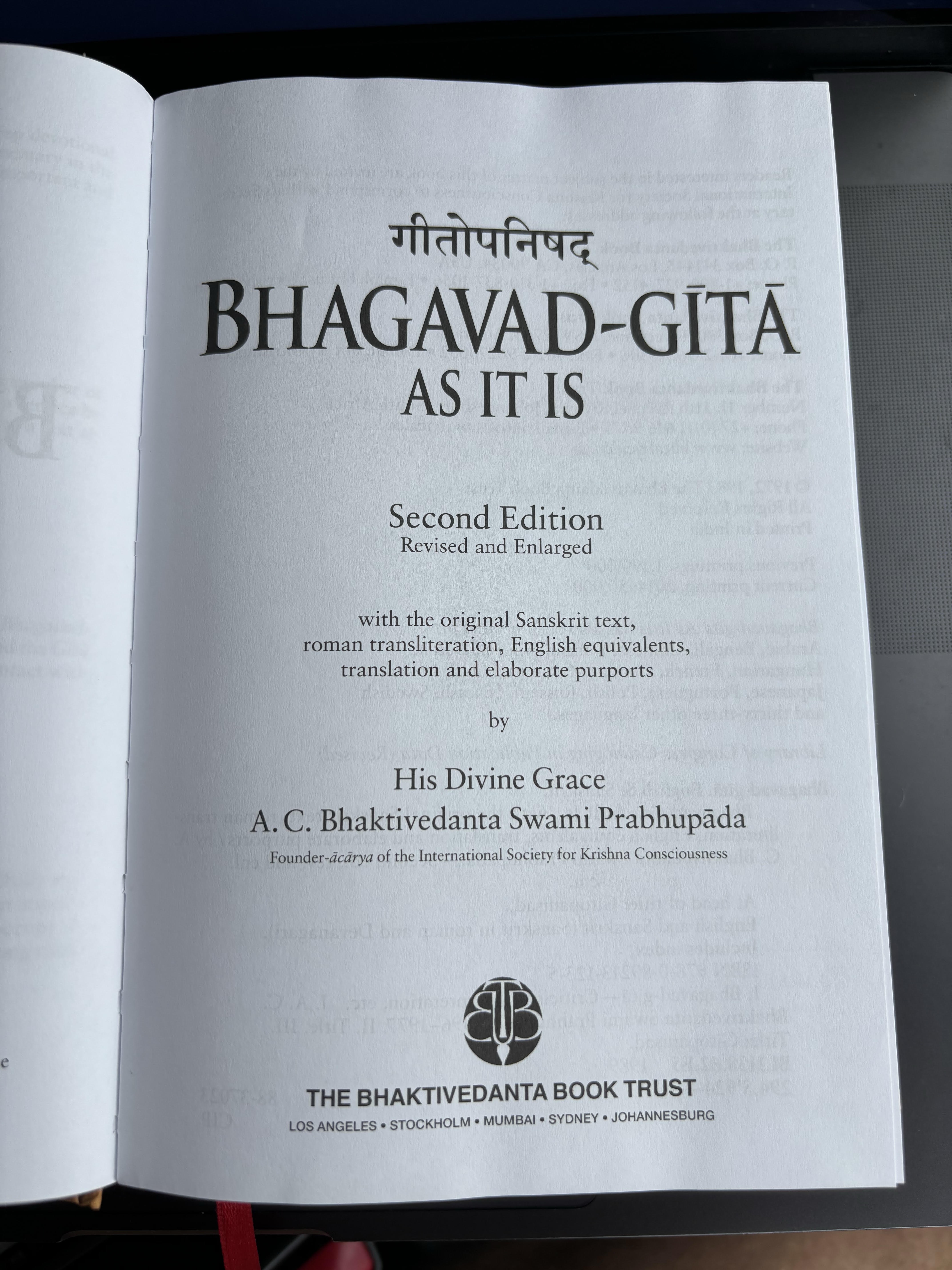
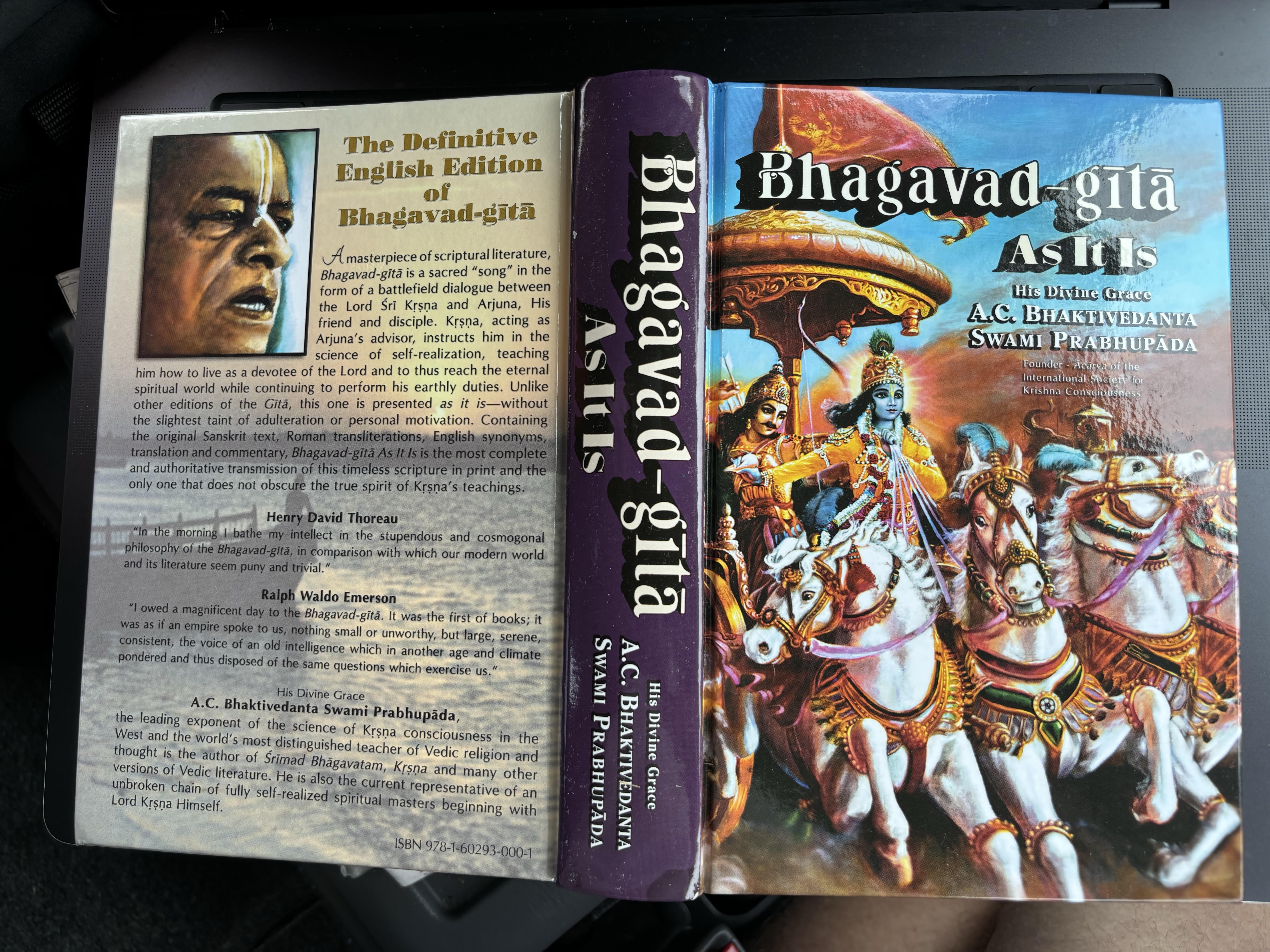
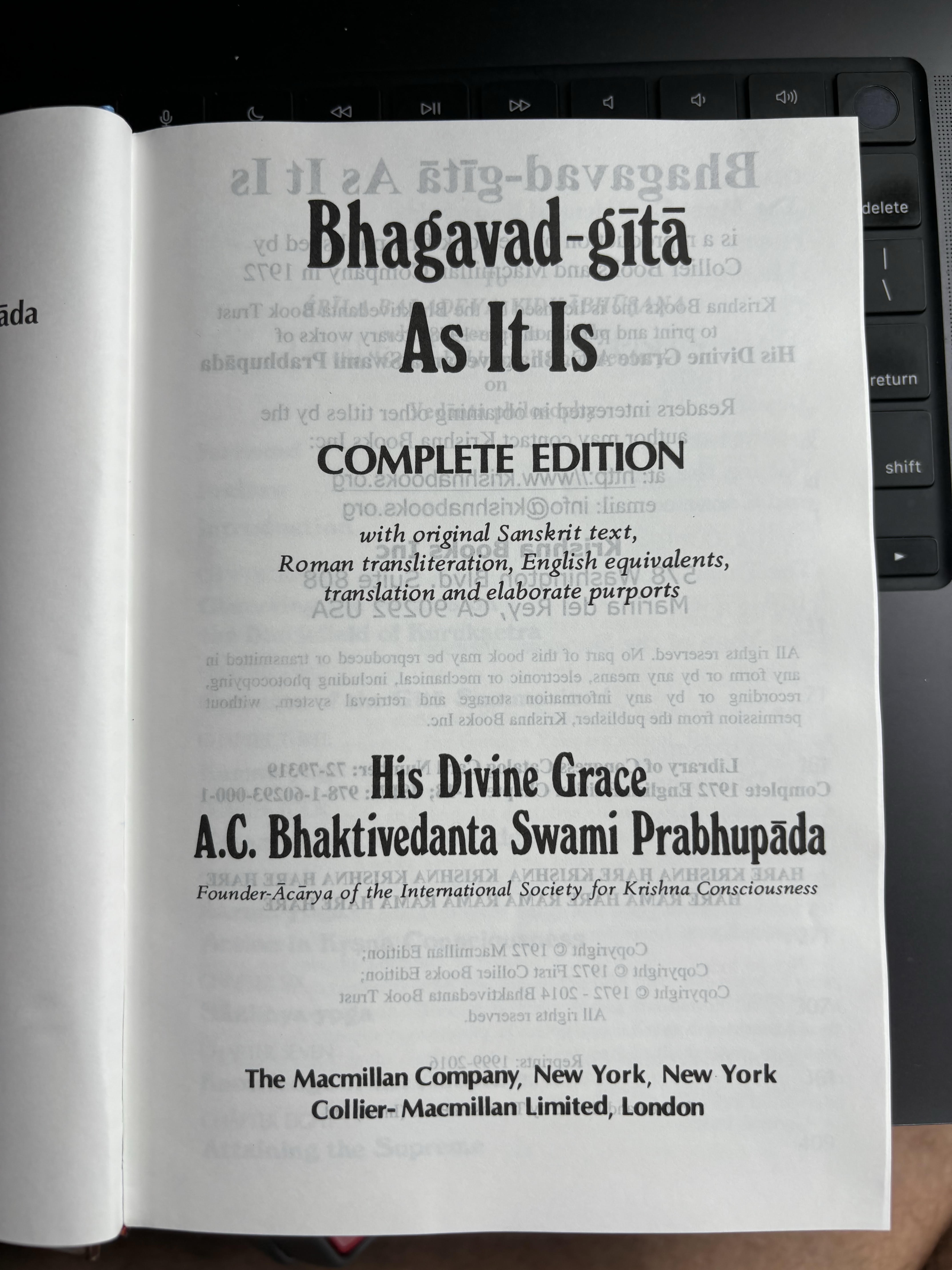
The International Society for Krishna Consciousness (ISKCON) and the Bhaktivedanta Book Trust (BBT) have been awarded the NOBEL PRIZE in SEXISM and MISOGYNY for their worldwide promotion of The Illusory, Travesty and Fake Bhagavad Gita As It Is NOT, also called the 1972 Macmillan edition, by rascal Hayagriva aka departed professor Howard Wheeler formerly an English teacher at OHIO State University, USA, a drug addict, homosexual, and a strong and determined sexist misogynist enforcer, as well as for their worldwide promotion of The Illusory, Travesty and Fake Bhagavad Gita As It Is NOT, also called “Second, Revised and Enlarged Edition” by rascal and accomplice Jayadvaita aka Jay Israel of New Jersey, USA, officially a sannyasi with ISKCON. The latter version is broadly based on the former.
THAT’S A LOT OF SEXISM COMING FOM A COUNTRY AS GREAT AND POWERFUL AS THE UNITED STATES OF AMERICA !!!
In Bhagavad Gita As It Is, chapter 4 and beyond, we get a quick succession of five (7) instances of blatant sexism- actually 8, if we count the Original Transcript (OT)- as follows and that will give us an idea of the severity of this wilful, deliberate and surreptitious contamination, totally alien to Srila Prabhupada, the actual, original author of the translations and the purports .
Original Transcript (OT) is available here: https://bookchanges.com/wp-content/uploads/2009/09/04-Chapter-4.pdf due to the brave efforts of HG Madhudvisa Prabhu. Thank you very much Madhudvisa Prabhu. We owe you!
BGAII 4.12
Srila Prabhupada types: “In this world human society desires…”
Both editors, Hayagriva and Jayadvaita give instead the distorted and sexist version as follows:” Men in this world desire…”
Additionally, in OT we note that someone scribbled out “they” in ” they are worshipping the demigods” and superimposed “MEN.” Do we need more evidence of sexism and misogyny?
BGAII 4.13
Here Srila Prabhupada’s original “qualified Brahmin” becomes “but only a man who transcends the limited knowledge of a Brahmana” for Hayagriva and becomes “but a man who transcends the limited knowledge of a Brahmana” for Jayadvaita.
A woman can definitely be a qualified Brahmin. Therefore both these renditions are SEXIST!
BGAII 4.21
Here Srila Prabhupada types: “Such a Krishna conscious person acts…” whereas misogynistic Hayagriva and misogynistic Jayadvaita both give:” Such a man of understanding acts…
BGAII 4.23
Here Srila Prabhupada types very clearly, without even the shade of a doubt:
“Work done in full Krishna consciousness by a person who is unattached to the modes of material nature and fully situated in transcendental knowledge merges entirely into transcendence.”
Super-unscrupulous-rascal-sexist Hayagriva falsely fabricates:
“The work of a man who is unattached to the modes of material nature and who is fully situated in transcendental knowledge merges entirely into transcendence.”
and his stupid and cheater accomplice Jayadvaita automatically rubber-stamps it:
“The work of a man who is unattached to the modes of material nature and who is fully situated in transcendental knowledge merges entirely into transcendence.”
Besides the abuse of women in this verse, we also note that both editors dropped the expression “Krishna consciousness” (as in BGAII5.6, BGAII 5.7 {2 X}, BGAII 5.11, BGAII 5.12 {2X}, BGAII 5.18, 5.26 p., 5.29 2X, 6.10, 6.28, 6.29 (2 X), 7.1 as well). They have done so innumerable times and this is also serious matter as it represents a Krishna conscious regression, another sabotaging and undermining of Srila Prabhupada’s transcendental message.
BGAII 4.40 Purport
Srila Prabhupada writes:
“Such doubtful persons find no good even in this world, nor in the next and for them there is no happiness whatsoever.
which in the sexist and misogynistic world of Hayagriva and Jayadvaita becomes:
“Men without faith in God and His revealed word find no good in this world, nor in the next. For them there is no happiness whatsoever.”
In this instance however, the modified statement is in men’s disadvantage.
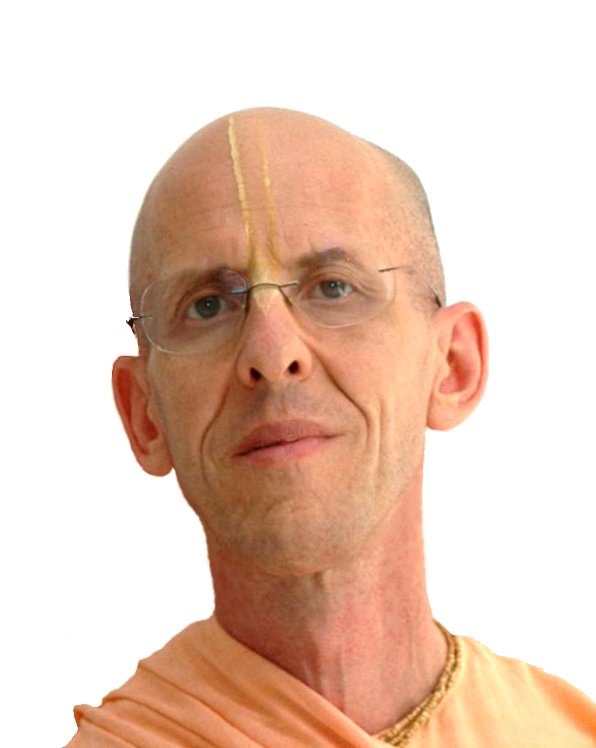
Both rendition are exactly the same and it would appear that Jayadvaita did his BGAII revision blindfolded and robot like. What a dull head this Jayadvaita! But Wikipedia honours him with the following mention:”He has been described as “one of ISKCON’s most independent-minded and respected thinkers.”
To that we can only respond: “This is Kali Yuga, the age of fake news, and if this is the best thinking ISKCON has got, ISKCON will ultimately be a failure, and fail Srila Prabhupada as so many others have done.”
In that case and in due course of time, The Australian Society for Krishna Culture will overtake ISKCON in terms of spiritual leadership, in this transcendental competition.
BGAII 5.4 can also be denounced as sexist because Srila Prabhupada’s “followers” becomes a “he“.
BGAII 5.7 a “person” becomes a “man”
BGAII 6.17 is sexist! A plural “persons” becomes a singular, male “he”.
Srila Prabhupada writes:
Text 6.17 Persons who are regulated in their habits of eating, sleeping and recreation as well as in working for existence, can mitigate all material pains by practice of the yoga system.
Hayagriva:
“He who is temperate in his habits of eating, sleeping, working and recreation can mitigate all material pains by practicing the yoga system.”
Jayadvaita:
“He who is regulated in his habits of eating, sleeping, recreation and work can mitigate all material pains by practicing the yoga system.”
Here again Srila Prabhupada’s rendition is perfect and complete, but the foolish, smart-ass, arrogant and offensive editors, besides turning it into a sexist proposal, feel a need to add their own speculative nonsense.
Hayagriva feels his “temperate” is better than Srila Prabhupada’s “regulated”, which Jayadavita rightly restores.
Both editors wrongly drop “working for existence” which adds a sense or reality to which everyone can relate. Srila Prabhupada is the expert in manipulating the material energy for service to Krishna, compared to whom the editors are simply inexperienced fools.
And even at the end they feel “practicing” is better than Srila Prabhupada’s “practice of the yoga system” This a perfect example of both editors foolish pettiness.
Further: 4.29 p.first sentence, 5.3 p last sentence, 5.11, 5.26 p.avoidance of the word “person”. That means impersonalism!
This is violence against women and simultaneously represents the seed of further future violence against women.
In religious circles, systematically abusing women, vendetta style, represents an extremely sad state of affairs which may bring tears of disappointments to one’s eyes. But the real question here is whether this sabotaging of Srila Prabhupada’s transcendental and gender neutral message represents CRIMINAL ACTIVITY or not. That will be for the lawyers and judges to be determined. In any case, these individuals and those who support them deserve strong punishment for such counterfeiting.
There is here a deliberate, wilful and somber plan and design to shackle and exploit women, which is totally alien to Srila Prabhupada!
It is no wonder that some ladies in ISKCON, including newcomers, get depressed.
And the worst part is that it is all done in the name and physical absence of His Divine Grace A. C. Bhaktivedanta Swami Prabhupada, a perfect, truth telling gentleman advocating equal gender opportunity.
What a GRAND INSULT to and DEFAMATION of His Divine Grace !!!
For those who are interested in the very best welfare and future of ISKCON, these 2 blasphemous renditions of BGAII are to be rejected at once like a plague!
CONCLUSION.
Not only do we have here a problem of sexism, but more generally both these renditions of BGAII cannot be presented as Srila Prabhupada’s Bhagavad Gita As It Is due to the unlimited lucubrations, fantasy speculations and alterations by the fantasy editors. These renditions are too far removed from Srila Prabhupada’s original Bhagavad Gita intentions. They represent some kind of fraud. Srila Prabhupada of course remains present to a certain degree in these two renditions. However the editors have whimsically decided for themselves and for the world how much Prabhupada they will accept, how much Prabhupada they will reject and how much Prabhupada they will sabotage, falsify and weaken. The product of such failing mentality can only be condemned and must be rejected. We call it a semi authentic product. It is just not good enough and Srila Prabhupada will not agree to it.
And a more appropriate nomenclature will respectively be
ONE: Bhagavad Gita As It Is NOT by Hayagriva and
TWO: Bhagavad Gita As It Is NOT by Jayadvaita
In all honesty, these two renditions can not be called Bhagavad Gita As It Is by His Divine Garce A. C. Bhaktivednat Swami Prabhupada. They cannot. These Bhagavad Gitas are definitely a-sampradyya because the original sampradaya author has been betrayed a thousand times. It is truly a world wide fraud to call either of them “Bhagavad Gita As It Is by His Divine Grace A.C. Bhaktivedanta Swami Prabhupada!”
These two renditions of Bhagavad Gita As It Is are useless for disciplic succession purposes and clearly represent a deviation. Iskcon and the BBT must eliminate them ASAP for their own good.
BGAII 4.41 illustrates this point quite well.
In OT Srila Prabhupada types quite clearly:
Text 4.41 “Therefore one who acts in Krishna consciousness, renouncing the fruits of his actions and is above all doubts on account of transcendental knowledge, is factually situated in the self and thus the reactions of all work do not bind him at all, O Arjuna, conqueror of riches.”
Whereas Hayagriva gives:
“Therefore, one who has renounced the fruits of his action, whose doubts are destroyed by transcendental knowledge, and who is situated firmly in the self, is not bound by works, O conqueror of riches.”
and Jayadvaita:
“One who acts in devotional service, renouncing the fruits of his actions, and whose doubts have been destroyed by transcendental knowledge, is situated factually in the self. Thus he is not bound by the reactions of work, O conqueror of riches.”
Again both pretenders, under different pretense, drop the expression “Krishna consciousness” as they do innumerable times throughout the Gita.This a symptom of envy of the Supreme Lord. This is not the symptom of a pure devotee. This is a disqualification.
Arjuna’s name is also missing in both versions.
Jayadvaita wrongly cuts out “therefore.”
Otherwise the following elements are conserved but rearranged, juggled around and rephrased when there absolutely no need for it :
One. renunciation of the fruit of action
Two. Absence of doubts, presence of transcendental knowledge.
Three. Establishment in the self.
Four: Freedom from reactions of work.
Same applies to BGAII 5.1:
Srila Prabhupada intends:
Text 5.1 “Arjuna said: My dear Krishna, first of all you ask me to renounce work, and then again you recommend work in devotion. So you will kindly let me know definitely which of the two is more beneficial.”
Hayagriva & Jayadvaita:
“Arjuna said: O Krsna, first of all You ask me to renounce work, and then again You recommend work with devotion. Now will You kindly tell me definitely which of the two is more beneficial?”
First question we may ask is “Where is the term of endearment “My dear Krishna” gone?” Why do we need to renounce the taste of the sweet sakhya relationship between the Two? We dont. And the same applies to the second and last sentence which is in fact an affectionate order given by Arjuna to his dear friend Krishna. “Now please tell me!” It is an imperative form as Srila Prabhupada expresses it so nicely. It is not a question with a question mark as these two fake and unfaithful editors want us to have it.
Besides that Srila Prabhupada’s “work in devotion” is correct and better than these smart ass and arrogant editor’s “work with devotion”! ” work in devotion” is repeated in BGAII 5.2.
So BGAII 5.1 is perfectly expressed by Srila Prabhupada Himself and does not need any editing whatsoever, least of all by unqualified editors.
The whole thing just stinks of arrogance and smart ass-ness. Or in one single word, it reeks of ignorance. And some illicit and unwanted alterations are petty to the extreme. Whether these are the characteristics of the plebeians, I do not know for sure and perhaps I should not use this terminology.
Srila Prabhupada once challenged:” You think….you think, but first of all, who are you to think?”
La Fontaine, the French 17th century classic literature author tells the fable “The Frog and the Ox.” The foolish and ego inflated frog tries to inflate itself to the size of an ox, with the final result that the frog bursts into pieces in the attempt. Frogs please mind your own business and let the ox do his own. Please don’t interfere!
And thank you to the authors and producers of the French cultural heritage! Often I need to think in French first before I write in the English language.
Let us examine BGAII 5.10.
Srila Prabhupada means:
Text 5.10 One who acts in his occupation, resigning unto the Supreme Personality of Godhead without attachment for the result, is not affected by any sinful action as the lotus leaf is untouched by water.
Hayagriva:
One who performs his duty without attachment, surrendering the results unto the Supreme God, is not affected by sinful action, as the lotus leaf is untouched by water.
Jayadvaita:
One who performs his duty without attachment, surrendering the results unto the Supreme Lord, is unaffected by sinful action, as the lotus leaf is untouched by water.
Here the only single positive credit goes to Hayagriva. He brings “as the lotus leaf is untouched by water” That sounds nice. But all the rest is negative, a discredit to the editors and is therefore condemned as follows:
Srila Prabhupada’s “one who acts in his occupation” can be related to very easily by everyone. Everyone has some kind of occupation. Various application forms will ask for “What is your occupation?” They will not ask for:”What is your duty?” So Srila Prabhupada is in touch with reality. The editors seem to be more pedantic, pompous AND OFFENSIVE bureaucrats with their “One whom performs his duty.” replacement when it is it not at all required.
Additionally they omit the word “result”, another negative.
Srila Prabhupada’s use of the verb resign is perfect from a literary point of view and from all other points of view as well. It does not need change. Again the editors come across as impudent and insolent school children who have just learned something new from their perfect and well meaning teacher and in their utter foolishness and impudence try to correct Him.
And both editors’ maha-defect is obviously the omission of Srila Prabhupada sacrosanct expression “the Supreme Personality of Godhead” Again this is not to be interfered with under any circumstances.
The editors also wrongly omit “any” in ” not affected by any sinful action”
In conclusion we may say that Srila Prabhupada’s English is actually very elegant and very refined. But the editor’s dont seem to have much of a sense for it and are rather like elephants barging into a ceramic shop and breaking things. The result is we are losing Srila Prabhupada and gaining both imposters Hayagriva and Jayadavaita, which indeed is no gain at all!
BGAII 5.11
Srila Prabhupada means:
The Krishna conscious persons act with their body, mind and intelligence and even with their senses also for the purpose of being purified from the material entanglement.
Both Hayagriva and Jayadvaita give:
The yogis, abandoning attachment, act with body, mind, intelligence, and even with the senses, only for the purpose of purification.
Here again the expression “Krishna conscious” is suppressed an so is the word person. The editors seem to have an instinctive aversion for these two, which reveals the typical material disease of enviousness of Krishna and impersonalism.
To give “the yogis” is a deliberate sabotaging and back pedalling as in the word for word clearly the rendition for “yoginah” is “Krishna conscious persons.” That is really stupid on their part. Did they think we will not notice the subterfuge?
The editors add “abandoning attachment”. Thats another arrogant attempt to correct and beat the real Acharya and become Acharya instead. So-called Acharya Hayagriva and so-called Acarya Jayadvaita are imposter only. Beat them and their supporters and followers on the head ! Why did the smart asses not specify instead what the Krishna conscious person is being purified of as the real Acharya, Srila Prabhupada, does?
BGAII 5.12
Srila Prabhupada intends:
Text 5.12 The unflinching Krishna conscious person attains unadulterated peace because he gives up the result of all activities to Krishna, while a person who is not in Krishna consciousness, being greedy for the result of his work becomes entangled.
Hayagriva and Jayadvaita:
The steadily devoted soul attains unadulterated peace because he offers the result of all activities to Me; whereas a person who is not in union with the Divine, who is greedy for the fruits of his labor, becomes entangled.
HERE WE FIND AN EXCELLENT EXAMPLE OF THE ONGOING GLOBAL FRAUD.
HAYAGRIVA or JAYADVAITA for that matter, have not license to change Srila Prabhupada’s formulation according to their personal whims and feelings and in return present it to the world as Srila Prabhupada’s work. THAT IS DISHONESTY! THAT IS CHEATING! AND IN SOME CASES PRABHUPADA DEFAMATION AS WELL AS SHOWED PREVIOULSY.
The details:
Here again Hayagriva and Jayadavita take the liberty to drop not only once but twice the expression “Krishna conscious/ness” and replace it with their own personal creative speculations, respectively “the steadily devoted soul” and “a person who is not in union with the divine.” These types of activities are illegal and fraudulent. While these expressions may sound nice and appeal to the general public, they are not Srila Prabhupada’s creations and it is utterly dishonest, misleading and subversive to attribute them to Him, especially when replacing the sacrosanct expression “Krishna consciousness.”
This is intellectual dishonesty. This is intellectual cheating. This is misleading. This is SUBVERSION. AMICABLY OR BY FORCE, THIS MUST BE STOPPED AND JUSTICE FOR THE GREAT SRILA PRABHUPADA MUST BE OBTAINED AND RESTORED ASAP.
If these editors or any one else wish to create their own version of any of Srila Praphupada’s literary creation, they may do so with proper permission and licence, and not otherwise!
And because it’s a CON JOB, no editor’s name is ever given in either of these two fake editions of Srila Prabhupada’s glorious Bhagavad Gita As It Is. Everything is falsely and irresponsibly uploaded on His, Srila Prabhupada’s, back in his absence. What surreptitious cowardice and rascaldom!!!
BGAII 5.25
Srila Prabhupada:
Text 5.25 Without being situated in the duality of doubtfulness, one whose mind is engaged within and is thus always busy in welfare work for all living entities, is free from all sins and achieves liberation in the Supreme.
Hayagriva:
One who is beyond duality and doubt, whose mind is engaged within, who is always busy working for the welfare of all sentient beings, and who is free from all sins, achieves liberation in the Supreme.
Jayadvaita:
Those who are beyond the dualities that arise from doubts, whose minds are engaged within, who are always busy working for the welfare of all living beings, and who are free from all sins achieve liberation in the Supreme.
Hayagriva is right, fantasy Jayadvaita is wrong, this is singular not a plural!
But then Jayadavaita is right and Hayagriva is wrong. Hayagriva illegally creates two concept. He introduces duality and doubt. Whereas Srila Prabhupada means the duality of doubtfulness which Jayadvaita renders as “the dualities that arise from doubt .” But actually there is no need to change Srila Prabhupada formulation of “the duality of doubtfulness.”
Both get “one whose mind is engaged within and is thus always busy in welfare work for all living entities,” quite properly even though Hayagriva feels unnecessarily that his “sentient beings” is better than Srila Prabhupada’s “all living entities” It is not! And Jayadvait feels an unnecessary urge to replace it with “all living beings”
Finally, in Srila Prabhupada’s wording, freedom from all sins is a consequence just as liberation in the Supreme is a consequence, not a prerequisite as both fake, conditioned, unqualified and misguided editors present it.
BGAII 6.1 purport, first sentence:
Srila Prabhupada:
Purport 6.1 In this chapter the Lord explains the process of the eightfold yoga system as the means of controlling the mind and the senses.
Hayagriva:
In this chapter the Lord explains that the process of the eightfold yoga system is a means to control the mind and the senses.
Jayadvaita:
In this chapter the Lord explains that the process of the eightfold yoga system is a means to control the mind and the senses.
Here again Srila Prabhupada message has been twisted and weakened by both unscrupulous and unfaithful editors.
Srila Prabhupada’s ” In this chapter the Lord explains the process of the eightfold yoga system” clearly and immediately gives us the title of the sixth chapter of BGAII, about which there has been so much controversy.
and Srila Prabhupada’s “the means of controlling the mind and the senses.” would rather indicate that Ashtanga yoga is a principal means of controlling the mind and sense, whereas the weakened editor’s rendition of “a means to control the mind and the senses.” indicates that there are many means to control the mind and senses among which we find the ashtanga-yoga process.
Srila Prabhupada’s style of writing is clear and direct. Both editors make is appear convoluted and indirect. That is the conditioned editor’s defect. These are not very difficult literary or linguistic subject matters to understand.
BGAII 6.2 purport.
Srila Prabhupada:
“Therefore, when one is in complete knowledge, one ceases all material sense gratification, or renounces all kinds of sense gratificatory business.”
Hayagriva:
Therefore, when one is in complete knowledge, one ceases all material sense gratification, or renounces all kinds of sense gratificatory activities.
Jayadvaita:
Therefore, when one is in complete knowledge, one ceases all material sense gratification, or renounces all kinds of sense gratificatory activities.
Why change “sense gratificatory business” to “sense gratificatory activities”?
The meaning is clear. And we ought to respect Srila Prabhupada ‘s way of expressing things.
This is Srila Prabhupada’s turn of phrase and expression. Let the world be imbibed by Srila Prabhupadisms. Srila Prabhupada is more than great enough for that to happen.
This is one example only out of many others and is repeated in BGAII 6.4 p.
BGAII 6.13-14, purport Here and elsewhere (BGAII 6.38, p., BGAII 6.47, twice, BGAII 7.1, BGAII 7.2 p.BGAII 7.7 p.,three times,) Srila Prabhupada Himself types the pronoun Who with a capital letter, as it refers to Krishna.
BGAII 6.20.23 Here we have the perfect manifestation of Jayadavaita’s sick, idiotic and superiority complexed mind. He just loves to mislead and confuse people. Abracadabra!!!
Srila Prabhupada types:
Text 6.20-23 According to the yoga system, that state of perfection is called trance, or Samadhi when it is seen that, by practice of yoga, one’s mind is completely restrained from mental activities in connection with matter. This is characterised by one’s ability to see himself by the pure mind and by his satisfaction in himself. In that state one is situated in transcendental happiness, ascertained through transcendental senses. No one is shaken from this transcendental position. When that state is achieved no one cares for profit in the material world and being situated in that position, no one is shaken, even in the midst of the greatest difficulty. This is factual freedom from the miseries arising from material contact.
Hayagriva renders:
The stage of perfection is called trance, or samadhi, when one’s mind is completely restrained from material mental activities by practice of yoga. This is characterized by one’s ability to see the self by the pure mind and to relish and rejoice in the self. In that joyous state, one is situated in boundless transcendental happiness and enjoys himself through transcendental senses. Established thus, one never departs from the truth, and upon gaining this he thinks there is no greater gain. Being situated in such a position, one is never shaken, even in the midst of greatest difficulty. This indeed is actual freedom from all miseries arising from material contact.
The falsely inventive counterfeiter and forger Jayadvaita gives:
In the stage of perfection called trance, or samadhi, one’s mind is completely restrained from material mental activities by practice of yoga. This perfection is characterized by one’s ability to see the Self by the pure mind and to relish and rejoice in the Self. In that joyous state, one is situated in boundless transcendental happiness, realized through transcendental senses. Established thus, one never departs from the truth, and upon gaining this he thinks there is no greater gain. Being situated in such a position, one is never shaken, even in the midst of the greatest difficulty. This indeed is actual freedom from all miseries arising from material contact.
Why does Jayadvaita write Self with capital letter? Does he refer to the Supreme Self or the Superself? The individual self is in lower case. Confusion between Supreme Self and individual self is monism and is anathema to the Vaishnava school of thought. Srila Prabhupada also is very clear in that respect: “This is characterised by one’s ability to see himself by the pure mind and by his satisfaction in himself.” He clearly refers to the individual self. So in that respect Hayagriva rendition is acceptable, but Jayadavaita’s is to be rejected outright. In his delirium, Jayadaivata thinks he is the smartest of all. Kick him in the face with boots to wake him up. This madman has the audacity to philosophically correct the Acharya.
Both skip Srila Prabhupada’s introductory “According to the yoga system…”as well as the point about detachment “When that state is achieved no one cares for profit in the material world …” Or we may say it is referred to in a correlative way with the editors”Established thus, one never departs from the truth, and upon gaining this he thinks there is no greater gain.”
“boundless” is an unwanted addition by the editors.
and generally speaking the literary value of Srila Prabhupada’s rendition is lost.
BGAII 6.20-23 purport. Twice. Why spell “Bhagavad-gita”?
Srila Prabhupada spells: “Bhakti-yoga will be vividly described, beginning in the Seventh Chapter of Bhagavad Gita.” and this spelling is generally accepted,
and again “As stated in the Bhagavad Gita (2.14) ….” and BGAII 6.39
The editor’s manipulation of the last sentence of the purport shows their nasty, shameless and disrespecful mentality towards the Acharya. They and those who support them are truly condemned.
Srila Prabhupada types ” That is the way of achieving the highest perfection in yoga practice.” which is perfectly fine. However the editors feel the urge to appose their own mark and change it to ” In this way he achieves the highest perfection in yoga practice.” And this is going on throughout Srila Prabhupada Bhagavad Gita As It Is to the point where it becomes a fraud to call any of these two presentation Bhagavad Gita As It Is by Srila Prabhupada and should rather be called Bhagavad Gita As It Is NOT by Hayagriva or Bhagavad Gita As It Is NOT by Jayadvaita.
BGAII 6.34 MIND CONTROL!
Both cheating editors censure and suppress the word “agitate” in the verse, where they replaced with their speculated word “turbulent” and in the purport they counterfeit twice. The first time they just make the word “agitating” disappear all together with no attempt at replacement, and the second time we find again the counterfeit expression “turbulent mind.” Finally in the last sentence of the purport, Srila Prabhupada’s formulation is respected. That’s one time out of four or 25 % and is just not goof enough. We need 100% or as close as is possible Srila Prabhupada integral formulation of His Bhagavad-Gita As It Is.
That means basically that ISKCON is based on a lie or more exactly on multiple lies, and lies cannot survive because people are not stupid. “You can fool some of the people all of the time, and all of the people some of the time, but you cannot fool all of the people all of the time.” Abraham Lincoln
That means ISKCON in its current form will not survive.
The best illustration is what Srila Prabhupada told Karandhar in His letter dated Bombay
22 December, 1972.
“Regarding your points about taxation, corporate status, etc., I have heard from Jayatirtha you want to make big plan for centralization of management, taxes, monies, corporate status, bookkeeping, credit, like that. I do not at all approve of such plan. Do not centralize anything. Each temple must remain independent and self-sufficient. That was my plan from the very beginning, why you are thinking otherwise? Once before you wanted to do something centralizing with your GBC meeting, and if I did not interfere the whole thing would have been killed. Do not think in this way of big corporation, big credits, centralization—these are all nonsense proposals. Only thing I wanted was that books printing and distribution should be centralized, therefore I appointed you and Bali Mardan to do it. Otherwise, management, everything, should be done locally by local men. Accounts must be kept, things must be in order and lawfully done, but that should be each temple’s concern, not yours. Krishna Consciousness Movement is for training men to be independently thoughtful and competent in all types of departments of knowledge and action, not for making bureaucracy. Once there is bureaucracy the whole thing will be spoiled. There must be always individual striving and work and responsibility, competitive spirit, not that one shall dominate and distribute benefits to the others and they do nothing but beg from you and you provide. No. Never mind there may be botheration to register each centre, take tax certificate each, become separate corporations in each state. That will train men how to do these things, and they shall develop reliability and responsibility, that is the point. I am little observing now, especially in your country, that our men are losing their enthusiasm for spreading on our programmes of Krishna Consciousness movement. Otherwise, why so many letters of problems are coming, dissatisfied? That is not a very good sign. The whole problem is they are not following the regulative principles, that I can detect. Without this, enthusiasm will be lacking. Even mechanically following, and if he gets gradually understanding from the class, he will come to the point of spontaneous enthusiasm. This spontaneous loving devotional service is not so easy matter, but if one simply sticks strictly to the rules and regulations, like rising early, chanting 16 rounds, chanting gayatri, keeping always clean—then his enthusiasm will grow more and more, and if there is also patience and determination, one day he will come to the platform of spontaneous devotion, then his life will be perfect. All of this I have told you in Nectar of Devotion. So I do not think the leaders are themselves following, nor they are seeing the others are following strictly. That must be rectified at once. Each centre remain independent, that’s all right, but the president and other officers must themselves follow and see the others are following the regulative principles carefully, and giving them good instruction so they may understand nicely why this tapasya is necessary. And GBC and Sannyasis will travel and see the officers are doing this, and if they observe anything lowering of the standard, they must reform and advise, or if there is some discrepancy I shall remove it. Of course, if new men are coming, they may not be expected immediately to take to our regulative principles cent per cent. Therefore we should not be so anxious to induce them to live in the temple. Anyone who lives in the temple must agree to follow the rules and regulations without fail. So if some new man moves in with us he may become discouraged if he is forced in this way. Therefore let them live outside and become gradually convinced in the class why they should accept some austerity, then they will live with us out of their own accord and follow nicely everything. It is very difficult to give up very quickly so many bad habits as you have got in your country, so educate them gradually, first with chanting, and do not be so much anxious to count up so many numbers of new devotees, if such devotees go away later being too early forced. I want to see a few sincere devotees, not many false devotees or pretenders.
So my point is that the regulative principles must be followed by everyone. Otherwise their enthusiasm dwindles and they again think of sex and become restless, and so many problems are there. There is some symptom of missing the point. The point is to be engaged in doing something for Krishna, never mind what is that job, but being so engaged in doing something very much satisfying to the devotee that he remains always enthusiastic. He will automatically follow the regulative principles because they are part of his occupational duty—by applying them practically as his occupational duty, he realizes the happy result of regulative principles. So the future of this Krishna Consciousness movement is very bright, so long the managers remain vigilant that 16 rounds are being chanted by everyone without fail, that they are all rising before four morning, attending mangal arati—our leaders shall be careful not to kill the spirit of enthusiastic service, which is individual and spontaneous and voluntary. They should try always to generate some atmosphere of fresh challenge to the devotees, so that they will agree enthusiastically to rise and meet it. That is the art of management: to draw out spontaneous loving spirit of sacrificing some energy for Krishna. But where are so many expert managers? All of us should become expert managers and preachers. We should not be very much after comforts and become complacent or self-contented. There must be always some tapasya, strictly observing the regulative principles—Krishna Consciousness movement must be always a challenge, a great achievement to be gained by voluntary desire to do it, and that will keep it healthy. So you big managers now try to train up more and more some competent preachers and managers like yourselves. Forget this centralizing and bureaucracy.
Hoping this meets you in good health.
Your ever well-wisher,
A.C. Bhaktivedanta Swami
ACBS:sda
But cooperate status and centralisation is what ISKCON Australia is all about and Anirudha Prabhu is the National Secretary.
And why spell Krishna according to the dictation of the Sanskritists???
For the general public, the word Krishna needs to be spelled with an “I” and and “H”
BGAII 6.40, p.Here both editors overstep their mandate.
Srila Prabhupada gives the original “Those who are engaged simply in sense gratifications like the animals …”
Where both editors give:” Those who are engaged simply in bestial sense gratifications..”
This is illegal and is to be rejected. We do not need and want to know about the editors personal sentiments. These are totally irrelevant.
BGAII 6.44, p. Among other words or expressions the editors illegally banned is Srila Prabupada’s “supposed to.”
Other illegally banned words or expressions are “nobody” which they replace with “no one”, “Brahmin” which they replace with the pedantic “Brahmana.” and “eulogize” as in BGAII 6.46, p. In this way they are miserably and foolishly lowering Srila Prabhupada literary standards. This is to be restored. The editors also illegally censure Srila Prabhupada’s expression “men with a poor fund of knowledge” as in BGAII 7.5, purport, (twice) which they replace with their speculated “unintelligent men.” or otherwise.
According to my Apple dictionary that particular meaning of the word “brahmana” is not even accepted:
“Brahmana | ˈbrɑːmənə | noun(in Hinduism) any of the compositions about the Vedas, composed in Sanskrit c.800–600 BC and containing expository material relating to Vedic sacrificial ritual.” And the Webster Dictionary does not even list the term “Brahmana.”
And according to the Merriam Webster on line dictionary the word “Brahmana” does not even exist in the English language. It is mentioned as a Sanskrit term. It gives meaning to the word Brahman though as ” a Hindu of the highest caste traditionally assigned to the priesthood.”
On the other hand, Srila Prabhupada often uses “yogin” for “yogi”. We do not know why. But this can not be transferred into the English language .
BGAII 7.3 purport.
Here we have another example how Hayagriva sabotages Srila Prabhupada’s elegant style of English and Jayadavaita doggishly follows and rubber stamps it.
Srila Prabhupada in OT:
“If the path of bhakti is so easy as contemplated by the non-devotee class of men why do they take up the difficult path?”
Both versions, BGAII version 1 &2 give:
If the path of bhakti is so easy, as the nondevotee class of men proclaim, then why do they take up the difficult path?
Besides being an illegal change it also represents a loss in style of expression.
Purport of BGAII 7.5 is also sexist as the editors replace “those with poor fund of knowledge” with “men with limited knowledge.”
Srila Prabhupada’s last sentence:
Therefore the conclusion is that the living entity, as confirmed herewith by the Bhagavad Gita, is only one of the multi-energies of Krishna and when such energy is pure without any material contamination, the entity becomes a fully Krishna conscious, liberated soul.
Hayagriva and Jayadvaita
Therefore one may conclude that the Gita confirms the living entity to be only one of the multi-energies of Krsna; and when this energy is freed from material contamination, it becomes fully Krsna conscious, or liberated.
Srila Prabhupada’s personal statement becomes an impersonal statement and the sentence is otherwise negatively manipulated by the speculative nonsense editors.
April 27 2025 BGAII 1.5, purport.
The word conchshell is not given credit in any dictionary.
A conch is a shell and the word conch should be sufficient.
Signed: The Krishna Conscious Observer or TKCO
tkco16108@gmail.com
http://www.krishnaculture.org







 --The Australian Society for Krishna Culture. AUSKCULTURE, operation start 1984 -- ABN 65 231 425 870.